

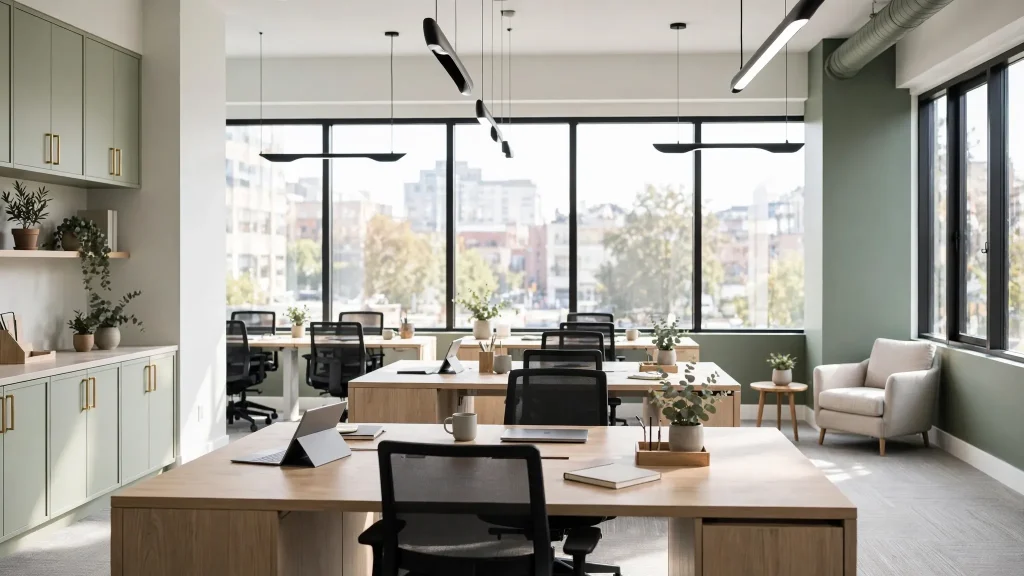
How Professional Interior Painting Transforms Commercial Spaces
Begital | Transform Your Walls & Floors Professional Finish
Interior Painting plays a direct role in how customers, employees, and business partners perceive a commercial property. Fresh, professionally applied paint improves visual appeal, protects interior surfaces, and creates a clean environment that supports daily operations.
According to workplace research from color psychology studies, well-designed interiors can influence employee mood, productivity, and customer confidence. Choosing the right colors and finishes also helps businesses reinforce brand identity while extending the life of walls and ceilings.
Commercial buildings experience heavy daily traffic that causes scuffs, stains, and surface damage over time. Professional painters understand how to prepare these surfaces, select durable coatings, and complete projects efficiently with minimal disruption. Every stage, from preparation to the final coat, contributes to a polished result that lasts longer than a standard DIY application. Whether updating an office, retail store, healthcare facility, or hospitality venue, quality workmanship delivers measurable value.
In this guide, we explain how Interior Painting transforms commercial spaces, improves functionality, and creates lasting impressions through expert planning, premium materials, and proven application techniques.
Customers often form an opinion about a business within the first 7 seconds of entering a building. Clean walls, consistent finishes, and modern colors immediately communicate professionalism and attention to detail. Professional painters eliminate uneven coverage, roller marks, and visible repairs that reduce visual appeal.
Fresh paint also reflects more light, making rooms appear larger and brighter without structural changes. Lighter colors increase perceived cleanliness, while carefully selected accent walls strengthen branding throughout the workspace. Durable commercial coatings resist stains, scratches, and daily wear better than standard residential products.
Key benefits include:
Creates a welcoming environment for customers.
Reinforces company branding through color consistency.
Improves employee comfort and workplace appearance.
Reduces visible wall damage and discoloration.
Extends the lifespan of drywall and interior surfaces.
Professional contractors spend significant time preparing surfaces before applying paint. This process includes cleaning walls, repairing cracks, sanding imperfections, priming damaged areas, and protecting nearby fixtures. Industry experts agree that proper preparation accounts for nearly 70% of a successful paint finish.
Commercial-grade acrylic latex paints provide stronger adhesion, faster drying times, and greater resistance to moisture than lower-quality alternatives. Many modern coatings also contain low volatile organic compounds (Low-VOC), improving indoor air quality during and after application. Low-VOC products generally contain less than 50 grams per liter of VOCs for flat finishes, meeting strict environmental standards.
Professional painters also understand how lighting affects color appearance. They test samples under natural and artificial lighting before completing large projects, ensuring consistent visual results throughout the building.
| Feature | Professional Interior Painting | DIY Painting |
|---|---|---|
| Surface preparation | Complete repairs and priming | Often limited |
| Finish quality | Smooth and consistent | May show streaks |
| Material selection | Commercial-grade coatings | Consumer-grade products |
| Project timeline | Planned and efficient | Often delayed |
| Durability | Long-lasting finish | May require earlier repainting |
| Safety compliance | Professional standards followed | Limited experience |
Color psychology plays an important role in commercial design. Research shows that carefully selected colors can influence concentration, energy, and emotional comfort. Blue shades often support focus in offices, while green promotes balance in healthcare facilities. Neutral colors remain popular because they create flexible spaces suitable for changing business needs.
Professional painters work with designers and property managers to select finishes that match each room’s purpose. Satin and eggshell finishes perform well in offices because they balance durability with appearance. Semi-gloss coatings remain popular for hallways, kitchens, and high-touch areas because they are easier to clean.
Commercial painting projects also improve maintenance efficiency. Washable coatings resist stains from daily traffic, reducing cleaning costs throughout the year. Businesses experience fewer interruptions because durable finishes require less frequent repainting.
Expert recommendations include:
Schedule painting during weekends or off-hours.
Select Low-VOC coatings for occupied buildings.
Match finishes to room usage.
Use brand colors consistently across customer-facing spaces.
Plan regular inspections to identify wear early. Explore our latest insights in Color Selection.
Professional Interior Painting delivers much more than attractive walls. It enhances customer confidence, improves employee satisfaction, protects commercial surfaces, and supports long-term maintenance goals. Expert preparation, premium materials, and skilled application create finishes that remain durable under heavy daily use. Businesses also benefit from healthier indoor environments through Low-VOC coatings and carefully planned project schedules.